
Pet Emergency
We are committed to making sure you always have a next step, even when we are not available. The resources below are a starting point. If you have questions about any of these facilities or want to talk through a situation during our clinic hours, we are here to help you think it through.
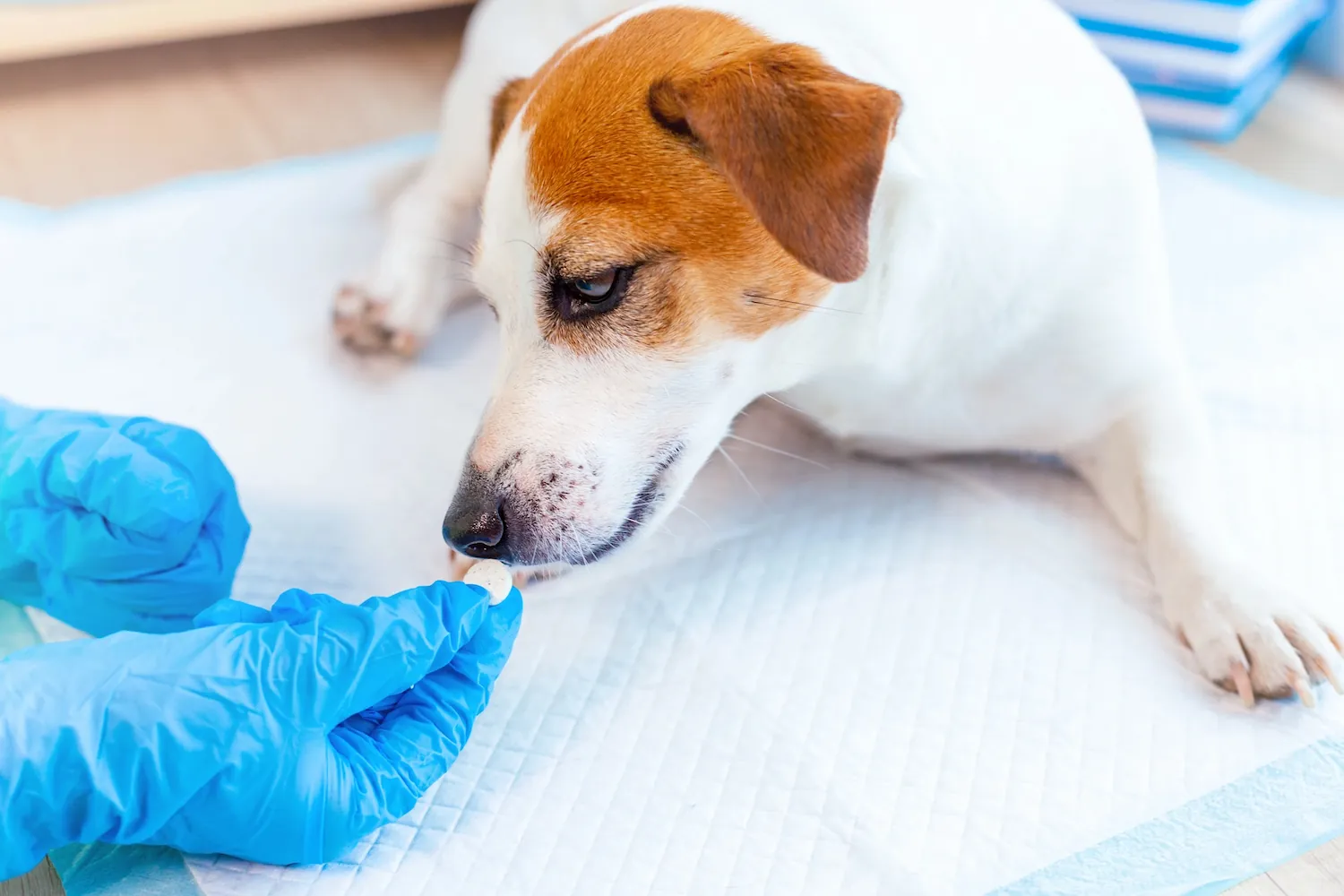
When something is wrong with your pet and you are not sure how serious it is, the distance between Vaughn and the nearest after-hours facility can feel like it matters a great deal. Knowing what to watch for, who to call first, and how to make a plan before a crisis arrives can make a real difference in how things go. Across Cascade County, many pet owners are more than 30 minutes from a 24-hour emergency clinic, which makes having that information ready ahead of time more than a precaution.
At Great Plains Veterinary Clinic, Dr. Jessica Johnson and our team are here to help you navigate those moments. Dr. Johnson graduated from the University of Illinois College of Veterinary Medicine in 2017 and has worked with a wide variety of animals throughout her career. We are open Monday, Tuesday, Thursday, and Friday for scheduled and same-day consultations, and we are always willing to help you assess a situation and determine whether it needs immediate attention. You can see a full overview of our services and availability on our veterinary services page.
When to Call Us Right Away
If you are uncertain whether your pet needs to be seen immediately, calling us is always the right first move during clinic hours. We can talk through what you are observing and help you decide on next steps. You should not have to figure that out alone, and often a brief conversation can clarify whether your pet needs to come in now or can wait for a scheduled appointment.
The ASPCA recommends that every pet owner have a plan in place before an emergency happens, including knowing the location of the nearest 24-hour facility and keeping that contact information somewhere easy to find. We can help you build that plan and make sure you have what you need. Here is a simple framework for what to do in those first uncertain minutes.
Signs That Need Urgent Attention
Some symptoms are clear signals that your pet needs to be evaluated as quickly as possible. Others fall into a gray area where waiting a few hours could matter. When in doubt, reaching out to our team or going directly to an emergency facility is always the safer choice.
Signs that your pet should be seen urgently include the following situations.
Even if you are not sure whether what you are seeing qualifies as urgent, call us or reach out to an emergency clinic. Your instinct as a pet owner is worth taking seriously, and no one will fault you for asking.
What We Can Help With During Clinic Hours
During our regular hours, we are able to evaluate many situations that fall into the “something seems wrong but I’m not sure how serious” category. That includes assessing sudden injuries, evaluating changes in behavior or appetite that concern you, checking on an animal that may have gotten into something, and helping you decide whether a more specialized facility is the right next step. We approach these consultations the same way we approach all of our care: with honesty, clear communication, and your pet’s wellbeing as the priority.
We also coordinate with visiting surgical specialists for procedures that require that level of care, and we are happy to help facilitate referrals when a situation is outside our scope. Our team is here to be a resource, not just a scheduling desk, and that includes being someone you can call when you are not sure what to do. You can also visit our FAQ page for answers to common questions about what to expect at a visit.
After-Hours and Emergency Resources in Montana
Because Great Plains Veterinary Clinic does not offer after-hours emergency services, we want to make sure you have the resources you need when something happens outside our clinic hours. The facilities below serve pets across Montana and are equipped for urgent and emergency care.
If your pet is experiencing a life-threatening situation after hours, please go directly to one of the following facilities or call the ASPCA Animal Poison Control Center at (888) 426-4435 for guidance on possible ingestions. Having these contacts saved in your phone before you need them is something we strongly recommend to every client we see.
- Big Sky Animal Medical Center — Great Falls, MT (24-hour care)
- Apex Animal Hospital — Helena, MT
- Bridger Veterinary Specialists — Bozeman, MT
- Emergency Vet Missoula — Missoula, MT
- Sentinel Veterinary Specialists and Emergency — Missoula, MT
If you are unsure whether your situation needs immediate emergency care or can wait until we are open, you are always welcome to call us during clinic hours and we will help you think it through. Our goal is to make sure your pet gets the right level of care at the right time, even when that means directing you somewhere else.
The ASPCA recommends that every pet owner have a plan in place before an emergency happens, including knowing the location of the nearest 24-hour facility and keeping that contact information somewhere easy to find. We can help you build that plan and make sure you have what you need. Here is a simple framework for what to do in those first uncertain minutes.
Signs That Need Urgent Attention
Some symptoms are clear signals that your pet needs to be evaluated as quickly as possible. Others fall into a gray area where waiting a few hours could matter. When in doubt, reaching out to our team or going directly to an emergency facility is always the safer choice.
Signs that your pet should be seen urgently include the following situations.
Even if you are not sure whether what you are seeing qualifies as urgent, call us or reach out to an emergency clinic. Your instinct as a pet owner is worth taking seriously, and no one will fault you for asking.
What We Can Help With During Clinic Hours
During our regular hours, we are able to evaluate many situations that fall into the “something seems wrong but I’m not sure how serious” category. That includes assessing sudden injuries, evaluating changes in behavior or appetite that concern you, checking on an animal that may have gotten into something, and helping you decide whether a more specialized facility is the right next step. We approach these consultations the same way we approach all of our care: with honesty, clear communication, and your pet’s wellbeing as the priority.
We also coordinate with visiting surgical specialists for procedures that require that level of care, and we are happy to help facilitate referrals when a situation is outside our scope. Our team is here to be a resource, not just a scheduling desk, and that includes being someone you can call when you are not sure what to do. You can also visit our FAQ page for answers to common questions about what to expect at a visit.
After-Hours and Emergency Resources in Montana
Because Great Plains Veterinary Clinic does not offer after-hours emergency services, we want to make sure you have the resources you need when something happens outside our clinic hours. The facilities below serve pets across Montana and are equipped for urgent and emergency care.
If your pet is experiencing a life-threatening situation after hours, please go directly to one of the following facilities or call the ASPCA Animal Poison Control Center at (888) 426-4435 for guidance on possible ingestions. Having these contacts saved in your phone before you need them is something we strongly recommend to every client we see.
- Big Sky Animal Medical Center — Great Falls, MT (emergency care, open 24 hrs Tue–Sun)
- Apex Animal Hospital — Helena, MT
- Bridger Veterinary Specialists — Bozeman, MT
- Emergency Vet Missoula — Missoula, MT
- Sentinel Veterinary Specialists and Emergency — Missoula, MT
If you are unsure whether your situation needs immediate emergency care or can wait until we are open, you are always welcome to call us during clinic hours and we will help you think it through. Our goal is to make sure your pet gets the right level of care at the right time, even when that means directing you somewhere else.
Talk to Great Plains Veterinary Clinic When You Are Not Sure What to Do
Dr. Jessica Johnson built Great Plains Veterinary Clinic around the belief that every pet owner deserves clear, honest guidance, especially when they are stressed and uncertain. As a 2017 graduate of the University of Illinois College of Veterinary Medicine with experience across a wide range of animals, Dr. Johnson understands that the moments between “something seems wrong” and “I know what to do next” can feel overwhelming. We serve companion animal patients throughout Vaughn, Fort Shaw, Sun River, Power, Cascade, and the greater Cascade County area, and we treat every client like a neighbor, not a case number.
If your pet is showing signs that concern you and we are open, please do not wait. Reach out to us through our contact form or give us a call during clinic hours and we will help you figure out the right next step together. We accept CareCredit, ScratchPay, and Trupanion pet insurance, and we are always willing to talk through what your options look like before any decisions are made.

What Our Patients say
Your pet health matters
Let’s work together to give your pet the happy, healthy life they deserve.