



Your dog’s dental health affects far more than just their breath. Healthy teeth and gums support proper eating, comfort, and overall wellness throughout your pet’s life. Dog teeth cleaning in Montana is an important part of preventive veterinary care because it helps reduce plaque, tartar buildup, gum disease, and oral infections that may lead to more serious health concerns.
Many pet owners do not realize that dogs commonly develop dental disease as they age. In fact, dental problems are among the most frequent health issues veterinarians treat in dogs. Without regular cleanings and proper oral care, bacteria can spread beneath the gums and affect other areas of the body. Professional dental care combined with good at-home habits can help your dog stay healthier, more active, and more comfortable.

What Happens During a Professional Dog Teeth Cleaning?
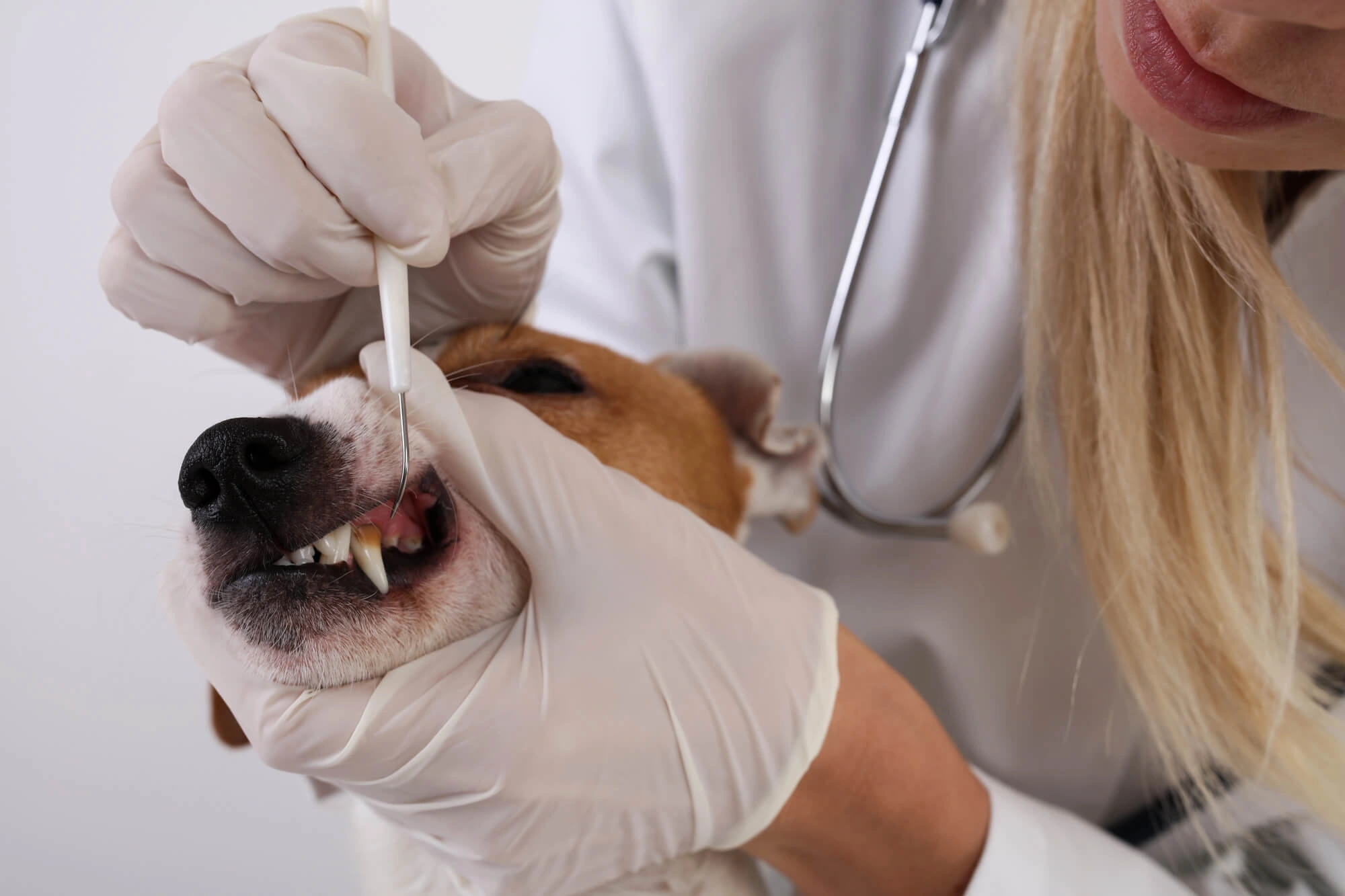
A professional dental cleaning is much more thorough than brushing your dog’s teeth at home. Veterinary dental procedures are performed under anesthesia so the veterinarian can safely clean all surfaces of the teeth and examine the mouth completely.
During the cleaning process, the veterinary team may:
- Remove plaque and tartar buildup
- Clean beneath the gumline
- Polish the teeth
- Examine the gums for disease
- Check for loose, broken, or damaged teeth
- Take dental X-rays if needed
- Identify infections or oral abnormalities
Cleaning below the gumline is especially important because harmful bacteria often collect in areas that are difficult to see. Without professional treatment, gum disease may continue to progress even if the teeth appear healthy on the surface.
Why Is Anesthesia Necessary?
Some pet owners worry about anesthesia during dental procedures. However, anesthesia allows the veterinary team to safely and effectively clean the teeth while minimizing stress and discomfort for the dog.
Without anesthesia, it would be difficult to fully clean below the gums or perform a detailed examination of the mouth. Veterinary teams also monitor pets carefully throughout the procedure to help ensure safety.
What Are the Signs of Dental Disease in Dogs?
Dental problems often develop slowly, and dogs may hide signs of discomfort. This makes regular dental checkups especially important for early detection and treatment.
Bad Breath
Persistent bad breath is one of the earliest signs of dental disease. While mild odor may be normal, extremely foul breath can indicate plaque buildup, infection, or gum disease.
Many pet owners assume bad breath is simply part of aging, but strong odor may signal an underlying oral health issue that requires professional attention.
Swollen or Bleeding Gums
Healthy gums should appear firm and pink. Red, swollen, or bleeding gums may indicate gingivitis or more advanced periodontal disease.
Gum inflammation can become painful and may eventually lead to tooth loss if left untreated.
Difficulty Eating or Chewing
Dogs experiencing dental pain may avoid chewing hard food or toys. Some pets may chew only on one side of the mouth, drop food while eating, or lose interest in meals altogether.
Changes in eating habits should never be ignored because they may indicate discomfort or infection.
Other Common Symptoms of Dental Problems
Pet owners should watch for additional warning signs, including:
- Excessive drooling
- Loose or broken teeth
- Yellow or brown tartar buildup
- Pawing at the mouth
- Facial swelling
- Loss of appetite
- Irritability or behavior changes
If these symptoms are present, scheduling a veterinary dental evaluation is important.
How Can Poor Dental Health Affect Overall Health?
Dental disease can impact more than your dog’s mouth. Untreated oral infections may affect overall health and increase the risk of serious medical complications.
Heart, Liver, and Kidney Concerns
Bacteria from infected gums can enter the bloodstream and travel to major organs. In severe cases, this may place stress on the heart, liver, and kidneys.
Preventive dental care helps reduce the risk of these complications and supports long-term health.
Chronic Pain and Discomfort
Dental disease can be extremely painful for dogs, even when symptoms are not obvious. Pets may continue eating and behaving normally despite significant discomfort.
Untreated pain can affect mood, sleep, appetite, and energy levels. Professional dental treatment helps improve comfort and quality of life.
Tooth Loss and Infection
As gum disease worsens, the tissues supporting the teeth may weaken. This can cause teeth to loosen or fall out. Severe infections may also create abscesses that require additional treatment.
Routine dental care helps identify problems early before permanent damage occurs.
How Often Should Dogs Have Dental Cleanings?
Every dog has different dental care needs. The frequency of professional cleanings depends on factors such as breed, age, diet, and overall oral health.
Breed and Size Factors
Small dog breeds are often more likely to develop dental disease because their teeth are crowded closely together. Breeds such as Chihuahuas, Yorkies, and Dachshunds may require more frequent dental care.
Larger breeds may also experience dental issues, especially if they chew on hard objects that damage the teeth.
Age and Lifestyle
Older dogs may need more frequent dental cleanings because plaque and tartar buildup increase over time. Dogs with certain health conditions may also require closer monitoring.
Diet can also influence oral health. Some foods contribute to plaque buildup more than others.
Veterinary Recommendations
Most veterinarians recommend annual dental evaluations, but some dogs may benefit from more frequent cleanings depending on their individual needs.
Your veterinarian can develop a personalized dental care schedule based on your dog’s condition and risk factors.
What Can Pet Owners Do at Home?
At-home dental care plays a major role in preventing oral disease between professional cleanings.
Brushing Your Dog’s Teeth
Brushing is one of the most effective ways to reduce plaque buildup. Using pet-safe toothpaste and a dog toothbrush can help maintain cleaner teeth and healthier gums.
Dogs may need time to adjust to brushing, so introducing the process gradually is helpful.
Dental Chews and Toys
Some dental treats and chew toys are designed to help reduce tartar buildup. These products can support oral hygiene when used alongside regular brushing and veterinary care.
However, very hard objects should be avoided because they may crack or damage teeth.
Routine Monitoring
Pet owners should check their dog’s mouth regularly for signs of swelling, tartar, or unusual odor. Identifying problems early may prevent more serious complications later.
Helpful Tips for Maintaining Oral Health
Simple daily habits can improve your dog’s dental health:
- Schedule annual dental exams
- Provide safe dental chews
- Offer a balanced diet
- Monitor for signs of discomfort
- Avoid hard bones or objects that may crack teeth
Consistency is important for maintaining healthy teeth and gums throughout your dog’s life.
Why Preventive Dental Care Matters
Preventive care is often more affordable and less stressful than treating advanced dental disease. Routine cleanings help veterinarians identify problems before they become severe or painful.
Keeping your dog’s mouth healthy may also improve overall health, comfort, and longevity. Dogs with healthy teeth are often more energetic, comfortable, and able to enjoy daily activities without pain.
Schedule Dog Teeth Cleaning in Montana
Protecting your dog’s oral health is an important part of responsible pet care. Regular cleanings, dental exams, and home hygiene routines can help prevent infection, tooth loss, and other serious health concerns.
If your dog is showing signs of dental disease or is due for a professional cleaning, the caring team at Great Plains Veterinary Clinic is here to help. Professional teeth cleaning can improve your pet’s comfort, health, and quality of life while supporting long-term wellness. Schedule Your dog’s appointment now.