


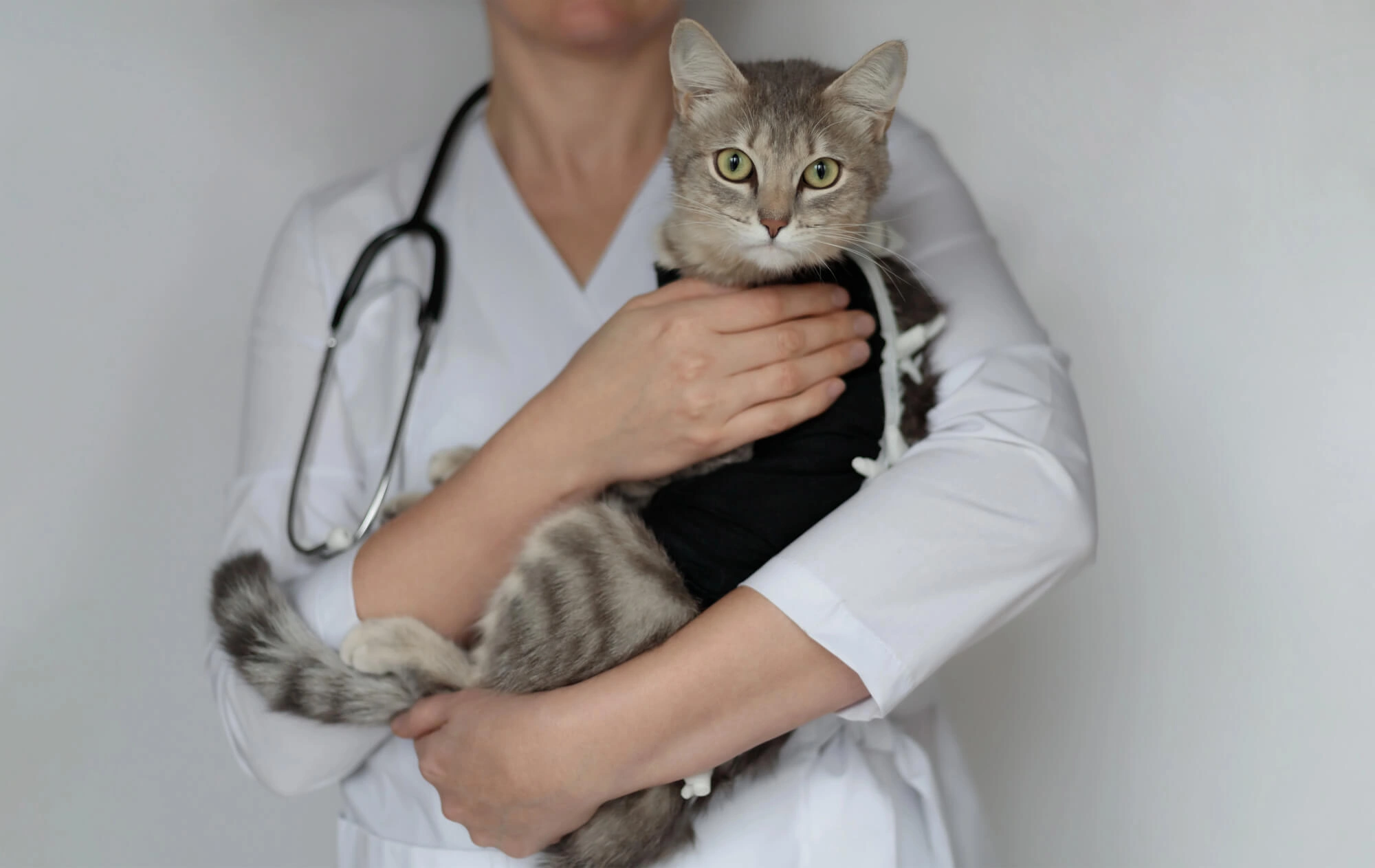
Spaying or neutering your pet at the right age helps prevent serious health issues, reduces unwanted behaviors, and supports a longer, healthier life. If you’re planning a visit to an Animal Medical Clinic in Great Falls, one of the most important decisions you’ll make as a pet owner is determining the right time to spay or neuter your pet. While this is a common and routine procedure, timing plays a critical role in ensuring your pet receives the maximum health and behavioral benefits. Every pet is different, so understanding general guidelines alongside personalized veterinary advice is key.
Spaying (for females) and neutering (for males) are surgical procedures that prevent pets from reproducing. Beyond preventing unwanted litters, these procedures are widely recommended by veterinarians because they offer long-term health advantages and help improve your pet’s overall behavior.

Why Timing Is So Important
The age at which your pet undergoes spaying or neutering can affect their development, especially in terms of hormones, bone growth, and behavior. Performing the procedure too early or too late may influence certain health outcomes, so working with a veterinarian ensures the timing is appropriate for your specific pet.
Ideal Age to Spay or Neuter Your Pet
General Guidelines for Dogs and Cats
Most veterinarians recommend spaying or neutering pets between 4 to 6 months of age. This timeframe is typically before pets reach sexual maturity, which helps prevent reproduction and reduces hormone-driven behaviors early on.
For cats, early spaying or neutering is strongly encouraged. Kittens can safely undergo the procedure around 4 months old, and doing so helps prevent issues such as spraying, yowling, and roaming. Female cats can go into heat as early as 5 months, so early intervention is especially beneficial.
Differences Based on Breed and Size
Dogs, however, require a more tailored approach. Breed size plays a significant role in determining the best timing:
- Small breed dogs: Usually spayed or neutered between 4 to 6 months
- Medium breed dogs: Often around 6 to 9 months
- Large and giant breeds: May benefit from waiting until 9 to 18 months
Larger dogs take longer to fully develop, and delaying the procedure slightly allows their bones and joints to grow properly. This can reduce the risk of orthopedic issues later in life.
Gender-Specific Considerations
For female pets, spaying before their first heat cycle is often recommended to significantly reduce the risk of mammary tumors. For males, neutering before behavioral habits like marking or aggression develop can make training easier and prevent these behaviors from becoming permanent.
Health Benefits of Spaying and Neutering
Prevention of Serious Medical Conditions
Spaying and neutering are not just about population control—they are preventive health measures. Female pets that are spayed eliminate the risk of uterine infections and greatly reduce the likelihood of breast cancer. Male pets benefit from a reduced risk of testicular cancer and prostate issues.
These procedures also help prevent hormone-related conditions that could otherwise lead to costly and complicated treatments later in life.
Increased Lifespan and Quality of Life
Studies have shown that spayed and neutered pets often live longer than those that are not. This is largely due to the reduced risk of disease and fewer injuries related to roaming or aggressive behavior.
Pets that are fixed also tend to have more stable temperaments, making them easier to care for and integrate into family life.
Behavioral Benefits for Your Pet
Reduced Aggression and Roaming
Unneutered male pets are more likely to roam in search of a mate, which increases their risk of getting lost, injured, or involved in fights. Neutering helps reduce this instinct, keeping your pet safer at home.
Less Marking and Unwanted Behaviors
Marking territory, especially in male cats and dogs, is a common issue. Neutering often reduces or eliminates this behavior. Female pets also avoid the stress and behavioral changes associated with heat cycles.
Easier Training and Socialization
Pets that are spayed or neutered are generally easier to train. Without strong hormonal drives, they tend to be more focused, calm, and responsive to commands.

Common Concerns Pet Owners Have
Is the Procedure Safe?
Spaying and neutering are among the most commonly performed veterinary surgeries. When done by experienced professionals, the procedure is safe and complications are rare. Modern anesthesia and monitoring techniques ensure your pet’s safety throughout the process.
Will My Pet Gain Weight?
Weight gain is a concern for many pet owners, but it is not caused directly by the surgery. After the procedure, your pet’s metabolism may slow slightly, but maintaining a balanced diet and regular exercise routine will keep them at a healthy weight.
Will It Affect My Pet’s Personality?
Your pet’s core personality will remain unchanged. The procedure mainly reduces behaviors driven by hormones, such as aggression or restlessness. Many pet owners actually notice a calmer and more affectionate demeanor after surgery.
When Should You Delay the Procedure?
Medical or Health Conditions
In some cases, a veterinarian may recommend postponing the surgery if your pet has underlying health issues. Ensuring your pet is in good condition before undergoing anesthesia is essential for a safe procedure.
Breeding Considerations
If you plan to breed your pet responsibly, spaying or neutering may be delayed. However, responsible breeding requires proper knowledge, resources, and a commitment to animal welfare.
Preparing Your Pet for Surgery
Before the Procedure
Your veterinarian will provide specific instructions, but general preparation includes:
- Fasting your pet for several hours before surgery
- Ensuring they are healthy and up to date on vaccinations
- Providing a calm and stress-free environment before the appointment
Aftercare and Recovery
Recovery is usually quick, but proper care is important. You should:
- Limit your pet’s activity for several days
- Prevent licking or chewing at the incision site
- Administer medications as prescribed
Most pets recover fully within 10 to 14 days, and follow-up visits ensure everything is healing properly.
The Bigger Picture: Community and Cost Benefits
Reducing Pet Overpopulation
Spaying and neutering help control the pet population, reducing the number of animals in shelters. This contributes to better community welfare and fewer stray animals.
Saving Money in the Long Run
Preventing serious health conditions and unwanted litters can significantly reduce veterinary costs over time. Investing in this procedure early often leads to fewer medical expenses later.
Schedule Your Pet’s Procedure at an Animal Medical Clinic in Great Falls
Choosing when to spay or neuter your pet is a crucial step in responsible pet ownership. With proper timing and expert care, you can ensure your pet enjoys a healthier, safer, and more comfortable life. The team at Great Plains Vet Clinic is dedicated to providing personalized care tailored to your pet’s needs.
Schedule your appointment today at a trusted Animal Medical Clinic in Great Falls and take the next step toward protecting your pet’s long-term health.