



The moment a dog becomes part of your family, every decision you make affects their health, comfort, and future. Many pet owners eventually face questions about surgery, especially when it comes to procedures like spaying and neutering. At Great Plains Veterinary, these procedures are more than routine medical services—they are preventive steps that help dogs live longer, healthier lives. Understanding when and why surgery may be necessary can help pet parents feel confident and prepared when making decisions about their dog’s well-being.
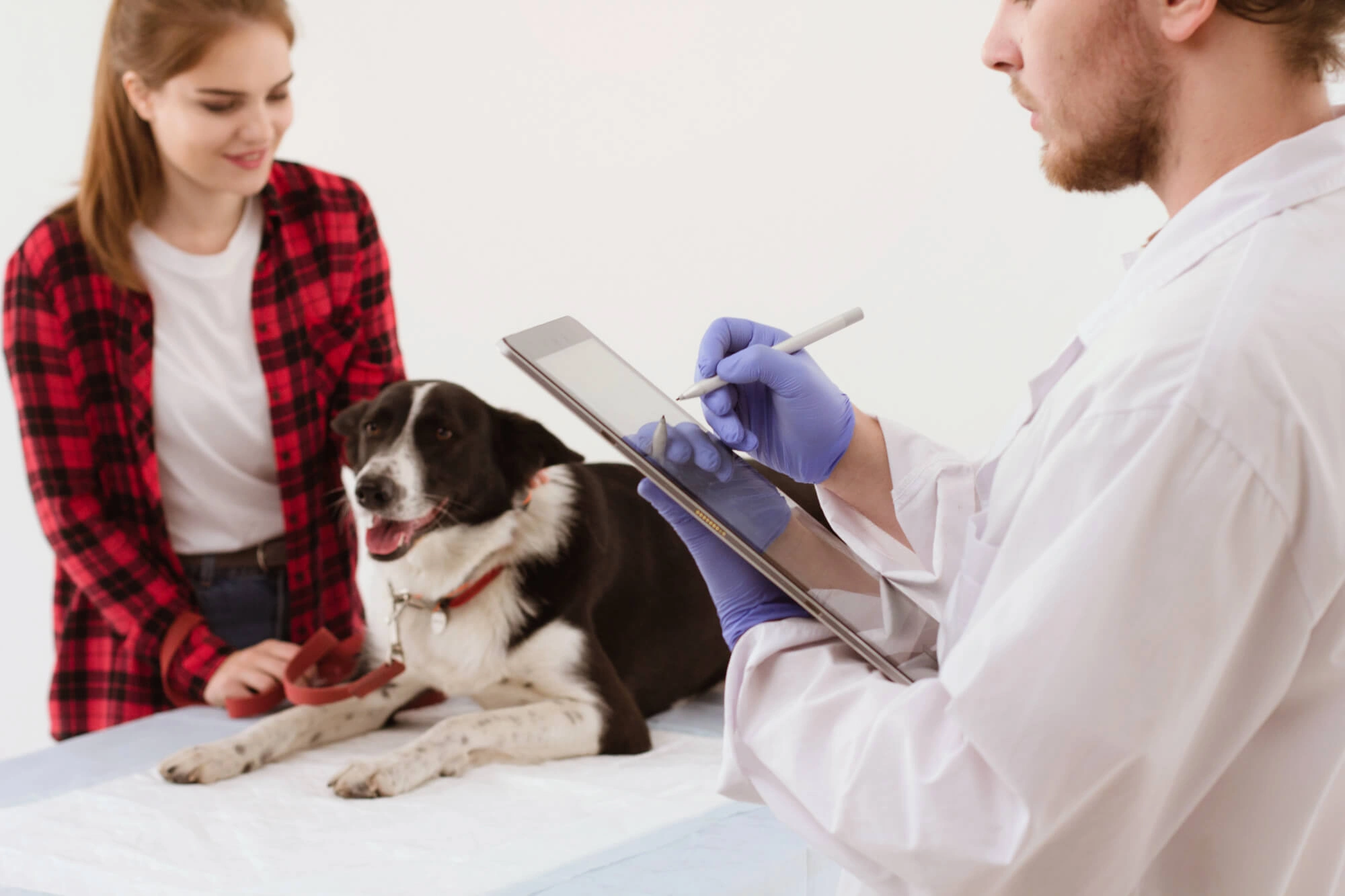
Why Dog Surgery, Spaying, and Neutering Play a Vital Role in Your Pet’s Health
Dog surgery can sound intimidating, but modern veterinary medicine has made these procedures safer and more effective than ever. Spaying and neutering are among the most common surgical procedures performed for dogs, and they provide both health and behavioral benefits.
Spaying is the surgical removal of a female dog’s reproductive organs, while neutering involves removing the testicles of a male dog. These procedures prevent unwanted pregnancies and reduce the risk of several medical conditions. Beyond population control, these surgeries help improve a dog’s overall quality of life. Veterinarians often recommend spaying or neutering because they can significantly lower the chances of certain cancers and infections. Female dogs that are spayed are less likely to develop uterine infections or breast tumors. Male dogs that are neutered may have a reduced risk of testicular cancer and prostate problems.
For many pet owners, these procedures also help address behavioral concerns. Dogs that are spayed or neutered often display calmer behavior and may be less likely to roam, mark territory, or engage in aggressive tendencies. These improvements can strengthen the bond between dogs and their families while promoting a safer environment for both pets and owners.
How Veterinarians Determine the Right Time for Surgery
Timing is a crucial factor when planning dog surgery. Veterinarians evaluate several aspects before recommending a procedure, including the dog’s age, breed, size, and overall health.
Most dogs are spayed or neutered between six and twelve months of age, but this timeline may vary. Larger breeds sometimes benefit from waiting slightly longer because their growth plates close later than smaller breeds. Each dog is unique, and veterinarians carefully assess their physical development before scheduling surgery.
Pre-surgical examinations help identify any potential risks. These exams typically include a full physical evaluation and bloodwork to ensure the dog is healthy enough for anesthesia. By conducting these assessments, veterinary teams can create customized surgical plans that prioritize safety and successful outcomes.
What Happens During a Spay or Neuter Procedure
Many pet owners feel anxious about leaving their dogs for surgery, but understanding the process can provide peace of mind. Veterinary surgical teams follow strict safety protocols and monitoring procedures throughout the operation.
During the procedure, dogs receive anesthesia to ensure they remain comfortable and pain-free. The surgical area is cleaned and prepared to maintain a sterile environment. Veterinarians then perform the surgery with precision and care, using techniques designed to minimize discomfort and promote faster recovery.
Throughout the operation, trained staff monitor vital signs such as heart rate, breathing, and oxygen levels. After the procedure, dogs are placed in a recovery area where they are observed closely as they wake from anesthesia. This careful monitoring helps ensure a smooth transition back to alertness and comfort.
What Pet Owners Should Expect Before and After Dog Surgery
Preparation and aftercare are essential components of successful surgical outcomes. Knowing what to expect can help pet owners support their dogs during every stage of the process.
Before surgery, veterinarians usually recommend fasting to prevent complications during anesthesia. Pet owners receive detailed instructions to ensure their dogs arrive safely prepared. Providing accurate medical history and discussing any concerns with the veterinary team helps create a tailored care plan.
Recovery is just as important as the procedure itself. Dogs typically return home the same day or shortly after surgery, depending on the complexity of the operation. During recovery, pet owners play a vital role in helping their dogs heal comfortably.
Signs Your Dog Is Recovering Normally
While each dog heals differently, there are several positive signs that indicate a healthy recovery. Pet owners should monitor their dogs closely during the healing period.
Common signs of normal recovery include:
- Mild drowsiness during the first day after surgery
- Gradual return of appetite and energy levels
- Minimal swelling or redness around the incision site
- Calm behavior with controlled activity levels
Veterinarians often recommend limiting physical activity to prevent strain on the surgical area. Dogs may need to wear protective collars to prevent licking or biting stitches. Following these guidelines helps reduce the risk of complications and promotes faster healing.
Potential Risks and How Veterinary Teams Reduce Them
Like any surgical procedure, dog surgery carries some level of risk. However, advancements in veterinary medicine have significantly improved safety standards. Veterinary teams take multiple precautions to reduce complications and ensure successful results.
Modern anesthesia protocols are carefully calculated based on each dog’s weight, age, and health status. Monitoring equipment allows veterinary professionals to track vital signs continuously throughout the procedure. Sterile surgical techniques help prevent infections, and post-operative pain management keeps dogs comfortable during recovery.
Pet owners can further reduce risks by following post-surgery instructions carefully. Administering prescribed medications, monitoring incision sites, and attending follow-up visits all contribute to a successful recovery.
How Spaying and Neutering Support Long-Term Canine Wellness
Spaying and neutering do more than address immediate health concerns—they provide lifelong benefits that can shape a dog’s overall wellness. These procedures help control pet overpopulation, reducing the number of homeless animals in shelters and communities.
From a medical perspective, early spaying and neutering can protect dogs from several life-threatening conditions. Female dogs that are spayed before their first heat cycle often experience a significantly lower risk of mammary tumors. Male dogs that are neutered may experience fewer hormone-driven behaviors that can lead to injuries or accidents.
Behavioral improvements are another important advantage. Dogs that undergo these procedures may become more focused, less distracted by mating instincts, and easier to train. This often leads to stronger relationships between dogs and their families.
Preventive surgery also contributes to financial stability for pet owners. By reducing the likelihood of certain diseases and emergency medical situations, spaying and neutering can help minimize long-term veterinary costs.

Protect Your Dog’s Health with Expert Surgical Care at Great Plains Veterinary
Choosing the right veterinary team is one of the most important decisions a pet owner can make when considering dog surgery. Great Plains Veterinary focuses on compassionate, professional care designed to keep dogs safe and comfortable throughout every stage of their surgical journey. From thorough pre-surgical evaluations to attentive post-operative monitoring, their team is committed to supporting both pets and their families.
If you are considering surgery, spaying, or neutering for your dog, scheduling a consultation can help you understand your options and create a personalized care plan. Trust Great Plains Veterinary Clinic to provide expert surgical services that prioritize your dog’s health, safety, and long-term happiness.