
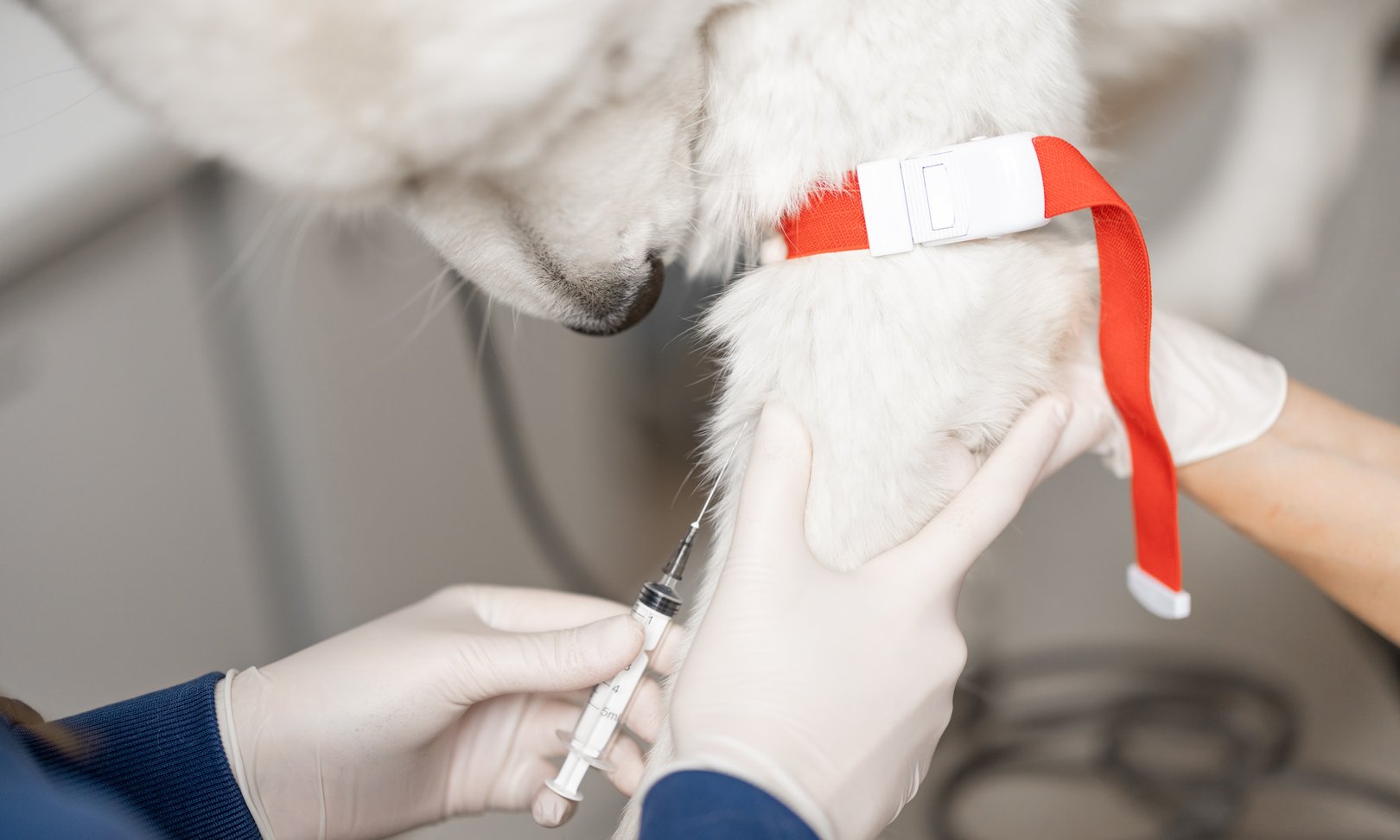
There’s a particular kind of relief that comes after your dog’s yearly checkup. That quiet reassurance from your vet that says everything looks good. But as pets move into their senior years, that reassurance means something different. The signs of aging in cats and dogs are often subtle at first, hidden behind a wagging tail or a cat who still greets you at the door. Bloodwork is one of the few tools that can see past that surface calm and catch what’s happening internally, often long before any outward symptom appears.
At Great Plains Veterinary Clinic, we’ve built our approach to senior pet care around this idea: healthy aging starts with knowing what’s happening inside your pet’s body, not just what you can see from the outside. For families across Cascade County and the surrounding Vaughn area, this often means having an honest conversation about what a wellness exam can catch that a visual check simply cannot.
What Does Bloodwork Show?
A standard senior wellness panel gives us a much clearer picture of your pet’s health than a physical exam alone can provide.
The Core Tests We Run
A typical panel includes a complete blood count, a chemistry profile, and a urinalysis. Together, these tests show how the kidneys, liver, thyroid, and other organs are functioning, along with red and white blood cell counts that can point toward anemia, infection, or inflammation. According to the American Animal Hospital Association’s senior care guidelines, a full medical workup including bloodwork and urinalysis is recommended once or twice a year for senior pets, alongside screening for specific biomarkers tied to kidney and heart function.
Bloodwork can flag several early warning signs before a pet ever shows symptoms at home, including the following:
- Kidney function changes: Elevated waste product levels can point to declining kidney performance well before a pet seems unwell.
- Liver enzyme shifts: Abnormal enzyme levels often signal liver stress or disease long before jaundice or appetite loss appears.
- Thyroid imbalances: Both low and high thyroid activity can quietly affect energy, weight, and coat quality in aging pets.
- Blood sugar irregularities: Early glucose changes can catch diabetes before more serious complications develop.
Catching any one of these shifts early gives us more options and more time to help your pet feel their best.
Why Having a Baseline Is Important
Having a baseline matters so much for older pets because disease tends to progress more slowly in aging animals. Kidney disease, diabetes, and thyroid disorders often develop gradually, without any obvious signs until a significant portion of organ function is already affected. A single blood draw offers a snapshot, but the real value comes from tracking those numbers year over year. When your vet has a baseline from when your pet was younger and healthy, even a small shift in one value can be a meaningful early warning rather than just a number on a page.
Why Does Timing Matter More As Your Pet Ages?
Pets age faster than people do, and that pace only accelerates in the senior years.
The Case for More Frequent Monitoring
A change that might take several years to develop in a person can show up in a matter of months in an older dog or cat. This is part of why we recommend more frequent monitoring once pets reach their senior years, rather than waiting for the next annual visit. Catching a subtle shift early often means the difference between a manageable adjustment to diet or medication and a much more involved course of treatment down the road.
What This Looks Like for Working Dogs and Ranch Companions
This is especially relevant for working dogs and ranch companions across our part of Montana, who tend to mask discomfort well and keep working long after a house pet might slow down and signal something is wrong. A rancher’s dog that’s still eager to load into the truck every morning can be quietly dealing with early kidney changes or joint inflammation that bloodwork would catch well before behavior does. We also see this with barn cats and companion animals whose independent nature makes it easy to miss early signs at home.
Bloodwork also plays a practical role beyond diagnosis. Values that fall outside a normal range can help guide decisions about switching to a senior-specific diet, adjusting an exercise routine, or starting a supplement aimed at joint or organ support before a bigger problem develops. It gives you and your vet a shared, factual basis for those conversations instead of relying on guesswork. And when your pet does need extra support, our online pharmacy makes it easy to get their medications shipped right to your door.
Partner With Great Plains Veterinary Clinic For Lifelong Senior Care
If your dog or cat has moved into their senior years, we encourage you to think of their annual bloodwork as less of a routine formality and more as an ongoing investment in their comfort down the road. Every pet ages differently, and the right testing schedule depends on breed, health history, and any conditions we’re already managing together, which is something Dr. Jessica Johnson and our team are always happy to walk through during your pet’s visit.
We understand that watching a pet slow down with age isn’t always easy, and we want you to feel supported through every stage of that process, not just informed by lab values. Our team is here to help you build a wellness plan that fits your pet’s specific needs as they get older, drawing on our full range of veterinary services to keep them comfortable for years to come. If it’s time to schedule your senior pet’s next wellness visit, reach out to our clinic and we’ll help you find a time that works.