Dental Care

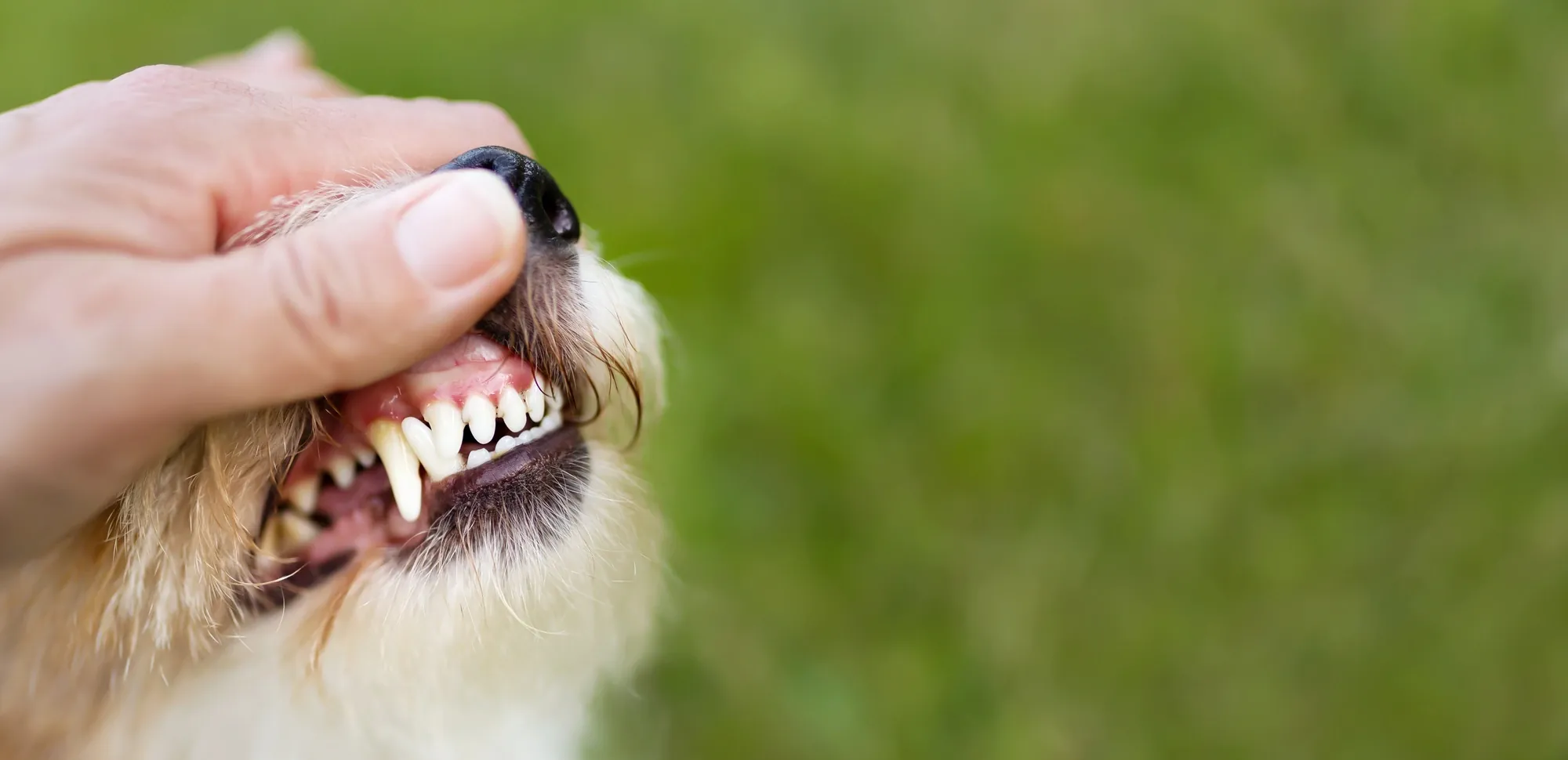
Veterinarian examining a pet's teeth during a dental care visit
Your pet’s mouth is doing more than helping them enjoy mealtime. It’s connected to their heart, kidneys, liver, and overall quality of life. According to the American Veterinary Medical Association, dental disease is one of the most frequently diagnosed health problems in dogs and cats, and when it goes untreated, it can contribute to serious systemic conditions that go well beyond bad breath. Most dogs and cats show early signs of periodontal disease by the time they reach age three, yet the majority never receive a professional dental cleaning. That gap between what pets need and what they get is exactly what we work to close. At Great Plains Veterinary Clinic, Dr. Jessica Johnson and our team approach dental care the same way we approach every part of medicine: with honesty, individualized attention, and a focus on preventing problems before they become serious. Dr. Johnson graduated from the University of Illinois College of Veterinary Medicine in 2017 and has worked with a wide range of animals throughout her career. She built this clinic around the belief that every pet deserves personalized, science-based care, and dental health is no exception. Our dental services are available to companion animal patients in Vaughn, Cascade, Fort Shaw, Sun River, Power, and the greater Cascade County area. You can see a full overview of what we offer on our veterinary services page.

Why Pet Dental Health Matters More Than You Think

Oral disease does not stay in the mouth. Bacteria from infected gums can enter the bloodstream and travel to major organs, potentially contributing to heart, liver, or kidney disease over time. This is part of why we treat dental care as a core component of your pet’s preventive wellness plan, not an optional add-on. The AVMA recommends that pets have their teeth evaluated at least twice a year, with professional cleanings as needed to address buildup below the gumline where brushing cannot reach. When dental disease is caught early, it is far more manageable. When it is ignored, it can mean significant pain, tooth loss, and costly treatment down the road. We have seen firsthand how much a pet’s comfort and energy can improve after receiving proper oral care, and that transformation is something we work toward for every patient.

What Dental Services We Provide

Our dental care services are designed to address your pet’s needs at every stage, from routine maintenance to more involved treatment. Here is an overview of the dental services we offer at our Vaughn clinic.

Oral Exams
Comprehensive mouth evaluations during wellness visits to establish a baseline and catch early warning signs before they become serious.
Professional cleanings performed under general anesthesia for safe, thorough results that reach below the gumline.
Digital Dental X-Rays
Full-mouth imaging to identify disease beneath the gumline, including root infections, bone loss, and hidden fractures.
Tooth Extractions
When a damaged or infected tooth cannot be saved, we walk you through the options and what to expect every step of the way.
For complex cases, we coordinate with visiting dental and surgical specialists to make sure your pet gets the right level of care.

Every treatment decision starts with a conversation. We explain what we find, walk you through the options, and support whatever path makes the most sense for your pet and your family.

How We Approach Dental Cleanings

Professional dental cleanings at Great Plains Veterinary Clinic are performed under safe general anesthesia. This allows us to clean below the gumline, take accurate X-rays, and do a thorough evaluation without causing your pet stress or missing disease that is hidden from plain sight. Non-anesthetic dental procedures cannot safely reach the areas where most disease lives. Here is what the process looks like from start to finish.

1
Pre-Anesthetic Evaluation
We assess your pet’s overall health to confirm the procedure is appropriate and safe for them before we begin.
2
Full-Mouth X-Rays
Digital dental imaging gives us a complete picture of root health and bone structure before and during the cleaning.
3
Cleaning Under Anesthesia
We scale, clean, and polish the teeth thoroughly, addressing tartar buildup above and below the gumline safely.
4
Same-Day Recovery
Most pets go home the same day and recover comfortably with minimal disruption to their normal routine.

Signs Your Pet May Need a Dental Exam

Many pet owners assume bad breath is normal, but it is usually a sign that something is happening in the mouth that warrants attention. There are several signals worth watching for between your pet’s regular wellness visits.

Some of the most common signs that your pet may benefit from a dental exam or cleaning include the following.

Bad Breath
Persistent odor that goes well beyond a normal doggy smell is often an early sign of gum disease or infection.
Tartar Buildup
Yellow, brown, or gray buildup on the teeth near the gumline signals that a professional cleaning is overdue.
Red or Swollen Gums
Inflamed, bleeding, or receding gumline tissue are classic indicators of active periodontal disease.
Difficulty Eating
Dropping food, chewing on one side, or an unexpected reluctance to eat can point to mouth pain that needs attention.
Pawing at the Mouth
Rubbing the face or pawing at the mouth repeatedly often indicates discomfort or sensitivity in the teeth or gums.
Behavior Changes
Shifts in mood, energy, or appetite without another obvious cause are worth mentioning at your next visit.

If you are noticing any of these changes, scheduling a dental exam is a reasonable next step. Catching problems early almost always leads to a faster, simpler, and more affordable outcome. You can also visit our pet care guides for tips on at-home dental hygiene to support your pet between professional visits.

What to Do Between Dental Visits

Professional care is essential, but home care plays a supporting role in keeping your pet’s teeth healthy year-round. Daily toothbrushing is the most effective at-home method, though we understand that it is not always practical with every pet. There are also veterinarian-approved chews, rinses, and dental diets that can help slow plaque buildup. We are happy to recommend specific products based on your pet’s health history, size, and temperament. No pressure, no one-size-fits-all answers, just practical guidance you can actually use.

If a more involved procedure such as dental surgery is ever needed, we will walk you through the full plan, discuss the costs clearly, and make sure you feel confident about the decision before we move forward.

Ready to Schedule a Dental Exam?
Our team at Great Plains Veterinary Clinic is here to help pets in Vaughn, Cascade County, and the surrounding area get the dental care they need.
contact us

Choose Great Plains Veterinary Clinic for Pet Dental Care in Vaughn, MT

Dr. Jessica Johnson opened Great Plains Veterinary Clinic to provide the kind of care that builds real relationships between pets, their people, and their veterinary team. As a 2017 graduate of the University of Illinois College of Veterinary Medicine with experience across a wide range of animals, Dr. Johnson brings both clinical skill and a genuine commitment to clear, honest communication. We serve companion animal patients throughout Cascade County, including Vaughn, Fort Shaw, Sun River, Power, and Cascade, with no cookie-cutter treatment plans and no pressure to pursue care that is not right for your pet.

Whether your pet is due for a routine cleaning or you have noticed something that does not feel quite right, our team is here to help. We accept CareCredit, ScratchPay, Trupanion pet insurance, and most major payment methods to help make care accessible. When you are ready to schedule a dental exam or ask a question, reach out to us through our contact form.

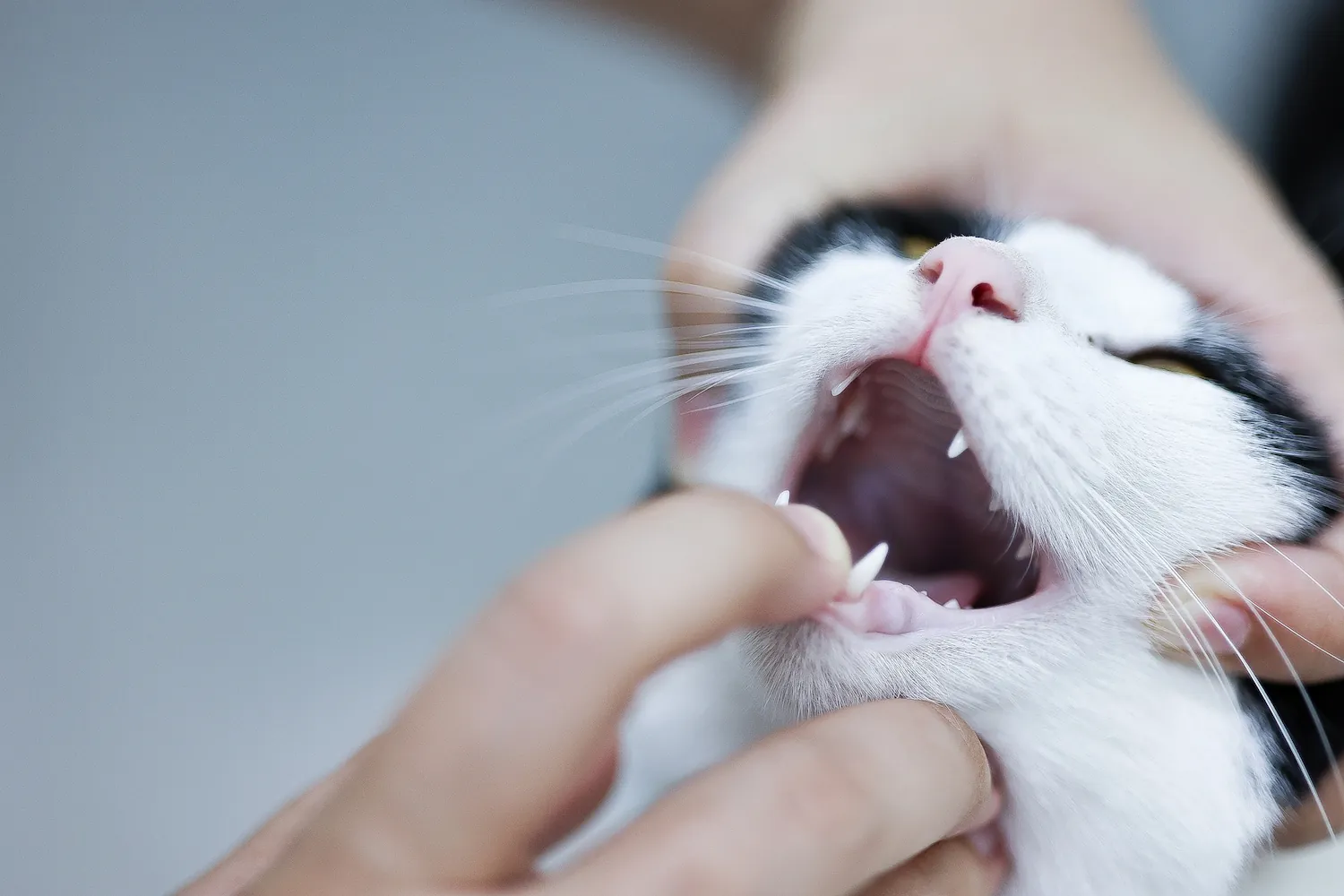
Cat having its teeth checked during a veterinary dental exam

What Our Patients say

we offer state and international health certificates for dogs and cats

Your pet health matters

Let’s work together to give your pet the happy, healthy life they deserve.

Frequently Asked Questions About Pet Dental Care

How often should my pet have a professional dental cleaning?
Most dogs and cats benefit from a professional dental cleaning once a year, though some pets with faster tartar buildup or underlying health conditions may need cleanings more frequently. We assess your pet's oral health during every wellness visit and let you know when a cleaning is recommended based on what we actually see, not a fixed schedule. The best way to stay on top of it is to keep up with annual exams so we can catch buildup before it becomes a more involved problem.
Why does my pet need anesthesia for a dental cleaning?
Anesthesia is necessary for a thorough, safe dental cleaning because it allows us to clean below the gumline, where most dental disease actually lives, take accurate full-mouth X-rays, and do a complete examination without causing your pet pain or stress. A pet that is awake cannot hold still enough for the procedure to be done properly or safely. Before any cleaning, we perform a pre-anesthetic health evaluation to make sure the procedure is appropriate for your pet.
What are the signs that my pet needs a dental exam?
Common signs include persistent bad breath, yellow or brown buildup on the teeth, red or swollen gums, drooling more than usual, dropping food or chewing on one side, pawing at the mouth, and changes in appetite or energy. Any of these can point to dental disease that needs attention. If you are noticing something off and are not sure whether it warrants a visit, it is always fine to call or reach out through our contact form and ask.
Can dental disease affect my pet's overall health?
Yes. When dental disease goes untreated, bacteria from infected gums can enter the bloodstream and potentially affect the heart, liver, and kidneys over time. This is why we treat dental health as a core part of your pet's overall wellness plan rather than a separate concern. Catching and treating oral disease early is one of the more impactful things you can do for your pet's long-term health and comfort.
What can I do at home to support my pet's dental health?
Daily toothbrushing is the most effective at-home method for slowing plaque and tartar buildup, though we understand it is not practical for every pet. There are also veterinarian-approved dental chews, water additives, and dental-specific diets that can help. We are happy to recommend specific options based on your pet's health history and temperament during your next visit. Our pet care guides also have additional resources on maintaining your pet's health between appointments.