
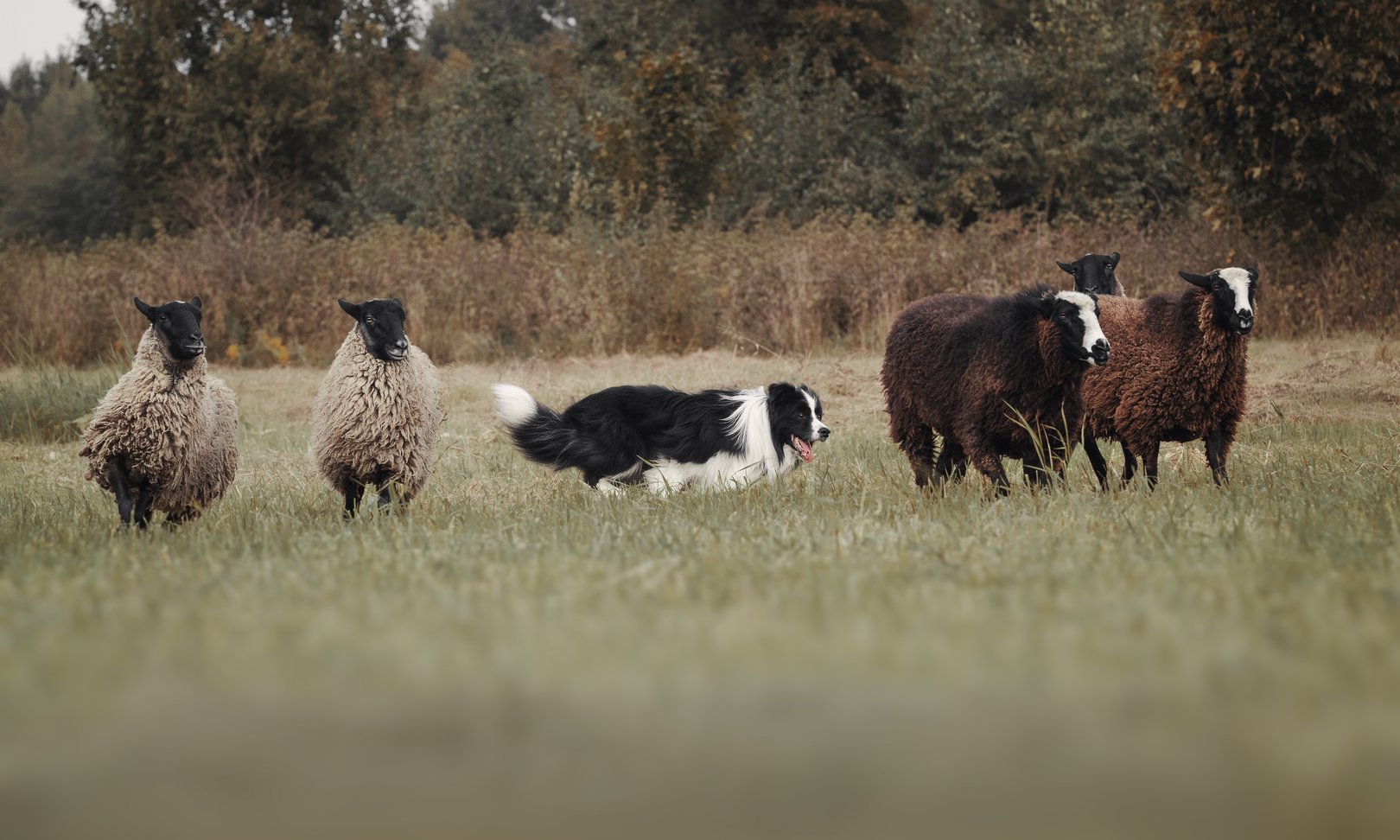
A good working dog can cover ground all morning, clear an irrigation ditch, take a glancing kick from a heifer, and still trot back to the truck as if nothing happened. Drive like that is what makes these dogs worth their weight in Montana, and it’s also what hides the wear stacking up underneath.
At Great Plains Veterinary Clinic in Vaughn, a dog who works cattle, rides fence lines, and sleeps outside in February gets a different look than a dog who naps on a couch all day. Our approach to wellness and preventive care starts with the job your dog actually does, because the demands of ranch work shape which problems show up first and how fast they progress.
Why Does a Working Dog Exam Take Longer?
A standard annual visit covers plenty of ground: vaccines, parasite prevention, weight, heart and lungs, and a look at teeth and skin. For a working dog, that list is a starting point rather than a finish line. We also want to know how many hours your dog puts in, what surfaces they cover, whether they are slower to load into the truck than they were last spring, and how they recover the day after a hard push. You live with the answers, and those details often point us toward a problem long before it shows up as a limp.
The extra attention has support behind it. The advisory panel behind the 2021 AAHA working dog guidelines recommends considering exams twice a year for this population, rather than the once-yearly minimum generally recommended for pet dogs. Hard-working dogs accumulate small injuries, and a six-month rhythm gives us a better chance of catching them while they are still small.
The Areas That Take the Most Wear
Certain parts of a working dog absorb the brunt of the job, so those are the areas we spend the most time on during an exam. This includes:
- Feet and pads: Cracked pads, split nails, and grass awns wedged between the toes are common and easy to miss under a thick coat.
- Shoulders and hips: Repetitive strain can quietly reduce range of motion, and a dog who works through discomfort rarely announces it.
- Teeth: Fractured canines from sticks, a kick from a cow, and bones can lead to painful infection, which is one reason dental care belongs in a working dog’s plan.
- Eyes and ears: Dust, chaff, and seed heads cause scratches and infections that get worse with every day spent in the field.
- Body condition: A lean, well-muscled frame and enough calories to get through a Montana winter both matter more for a dog earning a living outdoors.
None of these findings mean a dog has to stop working, and most are far easier to manage when we catch them early.
Small Changes Worth Mentioning
The most useful information often comes from home rather than the exam room. A dog who hesitates at a jump he used to clear, drops out of a gather sooner, licks one wrist in the evening, or gets short with the other dogs may be telling you something. Shifts in mood and habit can be an early sign of pain, which is part of why behavior changes deserve a conversation instead of a wait-and-see approach. Nothing on that list is dramatic, and all of it is worth writing down before your appointment.
Age changes the picture as well. Plenty of dogs stay useful well into their later years with adjusted workloads, joint support, and closer monitoring, and supporting a dog who is slowing down looks different from managing a three-year-old at the peak of the season. When a problem calls for orthopedic surgery, we coordinate with a visiting surgeon so your dog’s care stays connected to the clinic he already knows.
Keep Your Working Dog on the Job With Great Plains Veterinary Clinic
Dr. Jessica Johnson has worked with animals both large and small throughout her career, and she came to Montana for the same country your dog covers every day. A 2017 graduate of the University of Illinois College of Veterinary Medicine, she keeps dogs, cats, and horses of her own, so animals with jobs are familiar territory. Our team explains costs before procedures and offers honest recommendations without pressure, because good decisions come from shared information rather than a sales pitch.
Working dogs earn their keep, and the care they get should account for what the work asks of them. Whether your dog is a young heeler learning the ropes or a seasoned hand with a few hard miles behind him, we would be glad to take a closer look and build a plan around the season ahead. You can reach out to our team to set up a visit.