

Pets often hide pain and illness until their condition becomes serious, so recognizing early warning signs is crucial. Knowing when to contact an emergency vet in Montana can make the difference between a treatable condition and a life-threatening situation. Immediate veterinary care is essential when symptoms appear suddenly, worsen quickly, or affect basic functions like breathing, movement, or consciousness.
Pets cannot explain what they feel, so it is the owner’s responsibility to notice subtle changes and act quickly when something seems wrong.

Understanding What Counts as a Veterinary Emergency
Why Timing Matters in Pet Health Situations
A veterinary emergency is any condition that requires immediate attention to prevent severe pain, permanent damage, or death. Unlike routine health concerns, emergencies progress rapidly and can become critical within minutes or hours.
Some conditions may look mild at first but escalate quickly. That is why early recognition is essential for protecting your pet’s health and well-being.
General Red Flags You Should Never Ignore
If your pet shows any sudden or severe symptoms, it is important to seek immediate care. Warning signs include:
- Difficulty breathing or excessive panting
- Sudden collapse or inability to stand
- Severe vomiting or diarrhea
- Uncontrolled bleeding
- Seizures or twitching
- Signs of extreme pain (crying, aggression, hiding)
- Swollen abdomen or bloating
- Loss of consciousness
Any of these symptoms may indicate a serious underlying condition requiring urgent evaluation.
Breathing Problems and Sudden Weakness
Difficulty Breathing or Gagging
Breathing issues are among the most urgent medical emergencies in pets. If your pet is gasping, wheezing, or struggling to breathe, it could indicate airway obstruction, heart failure, or respiratory infection.
You may notice:
- Open-mouth breathing in cats (always abnormal)
- Blue or pale gums
- Constant coughing or choking sounds
These symptoms require immediate attention from a veterinary professional.
Sudden Collapse or Weakness
If your pet suddenly collapses or becomes extremely weak, it may signal internal bleeding, poisoning, heart problems, or neurological issues. Even if the pet recovers quickly, it still requires emergency evaluation.
Digestive Emergencies You Should Watch For
Severe Vomiting or Diarrhea
Occasional vomiting or soft stool may not be serious, but repeated or severe episodes can lead to dehydration and indicate infection, toxins, or organ issues.
Seek emergency care if you notice:
- Vomiting multiple times in a short period
- Blood in vomit or stool
- Inability to keep water down
- Signs of dehydration (dry gums, lethargy)
Bloated or Hard Abdomen
A swollen abdomen can be a sign of life-threatening conditions such as gastric torsion (bloat), especially in large dog breeds. This condition progresses quickly and requires immediate surgical intervention.
Neurological and Behavioral Warning Signs
Seizures or Loss of Coordination
Seizures are one of the most alarming emergency signs. They may appear as shaking, twitching, drooling, or complete collapse.
After a seizure, pets may appear disoriented or temporarily blind. Even a single seizure episode should be evaluated by an emergency veterinarian.
Sudden Behavioral Changes
Unexpected changes in behavior can signal pain, trauma, or neurological issues. Watch for:
- Aggression in normally calm pets
- Disorientation or confusion
- Hiding or avoidance behavior
- Staring into space or unresponsiveness
These changes often indicate something serious is affecting the brain or nervous system.
Injury, Trauma, and Visible Wounds
Accidents and Physical Injuries
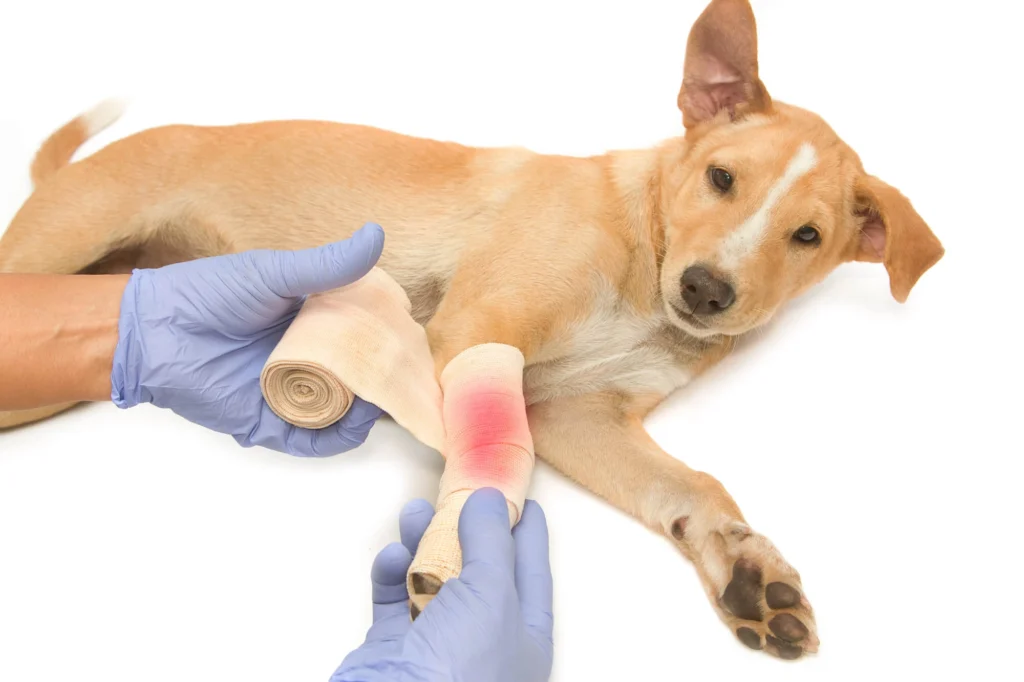
Trauma from falls, car accidents, or fights should always be treated as an emergency. Even if there are no visible injuries, internal damage may be present.
Signs of trauma include:
- Limping or inability to walk
- Bleeding or open wounds
- Swelling or bruising
- Crying when touched
Immediate evaluation helps prevent complications and internal bleeding from worsening.
Uncontrolled Bleeding
Any bleeding that does not stop within a few minutes is an emergency. Apply gentle pressure and seek veterinary care immediately.
Poisoning and Toxic Exposure
Common Household Hazards
Pets often ingest toxic substances accidentally. Poisoning is one of the most urgent veterinary emergencies because symptoms can escalate rapidly.
Common toxins include:
- Chocolate and caffeine
- Certain human medications
- Household cleaners
- Rodent poison
- Toxic plants
Signs of Poisoning
Symptoms vary depending on the substance but may include:
- Vomiting or drooling
- Tremors or seizures
- Lethargy or collapse
- Irregular heartbeat
- Difficulty breathing
If poisoning is suspected, do not wait for symptoms to worsen.
Urinary and Kidney-Related Emergencies
Difficulty Urinating
Straining to urinate or inability to urinate is a serious emergency, especially in male cats and dogs. It may indicate a urinary blockage, which can become fatal within 24–48 hours.
Watch for:
- Frequent attempts to urinate with little output
- Crying in the litter box or outside
- Blood in urine
- Lethargy and vomiting
Immediate treatment is required to relieve the blockage and prevent organ damage.
Eye Injuries and Sudden Vision Changes
Eye Trauma or Swelling
Eye injuries should always be treated urgently to prevent permanent damage or vision loss. Symptoms include:
- Cloudiness or redness
- Excessive tearing
- Pawing at the eye
- Visible injury or swelling
Sudden Blindness
If your pet suddenly loses vision or appears disoriented, it may indicate neurological issues, high blood pressure, or retinal damage.
Heatstroke and Temperature-Related Emergencies
Signs of Overheating
Heatstroke is a life-threatening emergency that can occur quickly, especially in hot weather or after excessive exercise.
Symptoms include:
- Heavy panting
- Drooling
- Bright red gums
- Weakness or collapse
- Vomiting or diarrhea
Immediate cooling and emergency care are required to prevent organ failure.
What You Should Do During a Pet Emergency
Immediate Actions Before Reaching a Vet
When a pet emergency occurs, quick and calm action is essential:
- Keep your pet calm and still
- Avoid giving food or water unless instructed
- Control bleeding with gentle pressure
- Transport your pet safely in a carrier or blanket
- Call ahead if possible to alert the clinic
These steps help stabilize your pet until professional care is available.
Why You Should Never Wait
Delaying treatment can significantly worsen outcomes. Even if symptoms improve temporarily, underlying conditions may still be present and require medical attention.
How Emergency Vets Diagnose and Treat Critical Conditions
Rapid Assessment and Stabilization
An emergency veterinary team focuses first on stabilizing your pet’s condition. This may include oxygen therapy, IV fluids, pain relief, or emergency surgery.
Diagnostics may include:
- Blood tests
- X-rays or ultrasound
- Physical examination
- Monitoring of vital signs
Ongoing Care and Recovery
After stabilization, pets may require hospitalization or follow-up visits to ensure full recovery. Early intervention greatly improves the chances of a positive outcome.
Preventing Future Emergencies
How Pet Owners Can Reduce Risks
While not all emergencies can be prevented, many risks can be minimized with proper care.
Preventive steps include:
- Keeping toxic items out of reach
- Scheduling regular vet checkups
- Monitoring diet and exercise
- Supervising outdoor activity
- Ensuring vaccinations are up to date
When to Contact a Veterinary Professional Immediately
Trusting Your Instincts Matters
If something feels wrong, it is always better to be cautious. Pet owners know their animals best, and even subtle changes can signal serious problems.
When in doubt, contacting an emergency clinic is the safest choice.

Contact an Emergency Vet in Montana for Immediate Care
Recognizing the signs of a medical emergency can save your pet’s life. Quick action and immediate veterinary care are essential when symptoms appear suddenly or worsen rapidly. Great Plains Vet Clinic provides compassionate and urgent care for pets facing critical conditions. If your pet is showing any warning signs, seek professional help immediately to ensure they receive the treatment they need.